
Choosing the Right Website Designer
What Makes a Website Designer Different
Not all website designers work in the same way. While many focus on delivering a finished site, the real differences often lie in how that site is built, supported, and prepared to perform over time.
Understanding these differences helps set clearer expectations. From technical foundations to long-term support, the approach taken during a build can determine whether a website simply exists or actively supports a business as it grows.
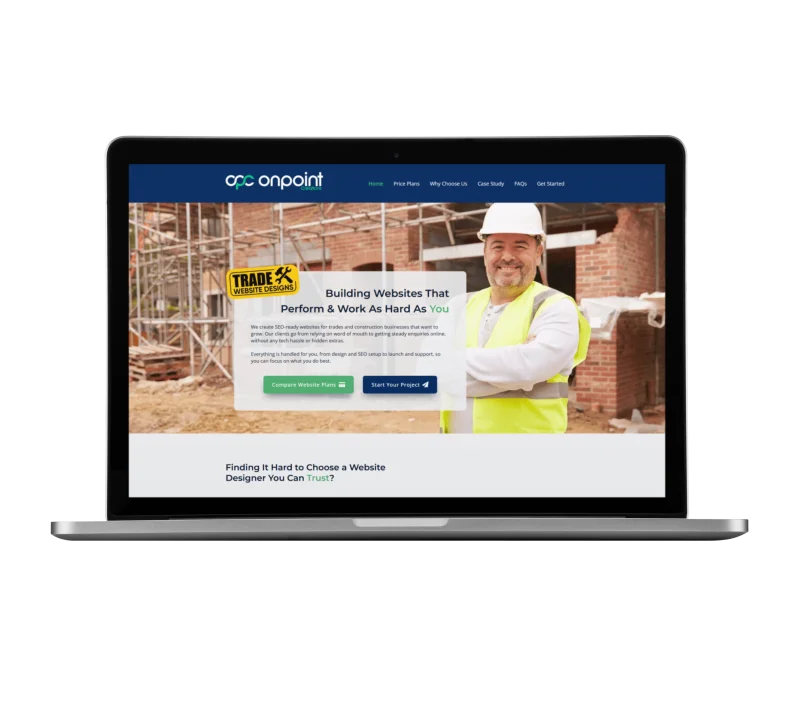
Why the Difference Matters
Choosing a website designer is not just about visual style. The approach taken behind the scenes affects how well a site performs, how easy it is to maintain, and whether it can adapt as a business grows.
Understanding the differences between designers helps avoid mismatched expectations. When the focus goes beyond appearance to include structure, support, and long-term thinking, the website is more likely to become a reliable business asset rather than a short-term solution.
Common Website Mistakes to Avoid
The differences between website designers are not always obvious at first glance. Many sites can look similar on the surface, but the approach taken during planning, building, and supporting the site has a lasting impact on how well it performs and how useful it remains over time.
These differences shape everything from how easily customers can find the site, to how flexible it is when the business changes. Understanding what sits behind the build helps explain why some websites quietly support growth, while others require frequent fixes or rebuilding.
How Those Differences Show Up
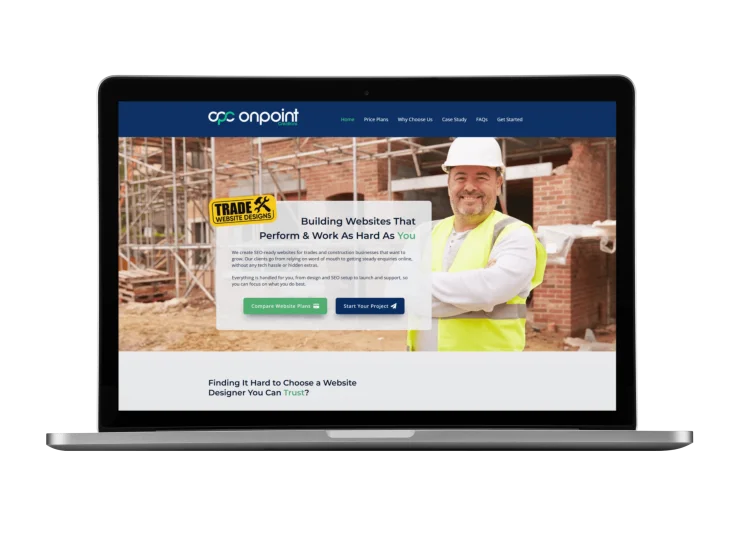
Beyond the Finished Website
The way a website is built influences more than how it looks on launch day. Decisions around structure, performance, and setup affect how easily the site can be updated, how reliably it runs, and how well it supports visibility over time.
When these elements are considered from the start, the website becomes easier to manage and adapt. Instead of relying on fixes or add-ons later, the site is built with a clear framework that supports growth, consistency, and long-term use as the business evolves.
Built for Long-Term Use
A website designed with the right approach continues to support a business beyond launch. When foundations, support, and flexibility are considered early, the site remains useful, reliable, and easier to build on over time.
Lay the Foundations for Your Business
You’ve seen how different approaches to website design can shape long-term outcomes. If you’d like to explore what a considered, well-supported approach could look like for your own website, you’re welcome to take the next step when it feels right.